Jim Corbett National Park: Where the Legend of the Tiger Begins
Imagine a land where the mist hangs low over the Sal trees, where the silence is broken only by the alarm call of a Spotted Deer, and where the Ramganga River creates a lifeline for the most majestic predator on earth.
Welcome to Jim Corbett National Park.
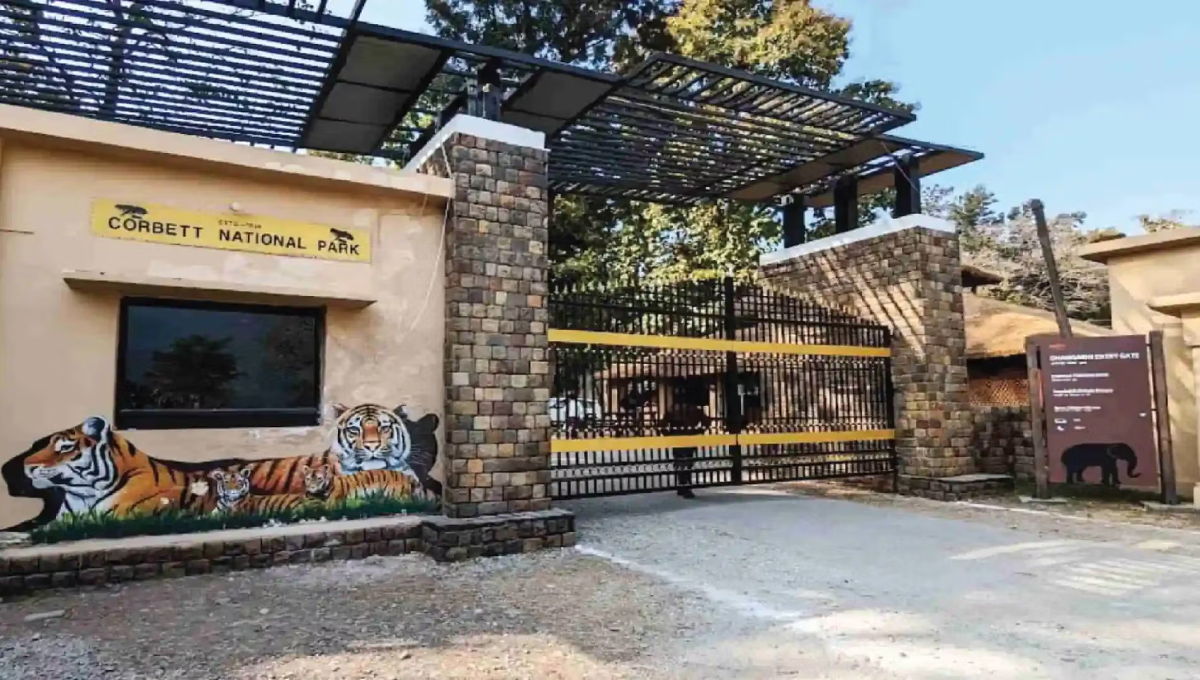
Established in 1936 as Hailey National Park, this is India’s first and oldest National Park. It is the birthplace of "Project Tiger" (launched in 1973) and remains one of the few places in the world where you can track the Royal Bengal Tiger in its natural, wild habitat.
At Corbett Online Booking, we don't just book safaris; we introduce you to a legacy. Here is everything you need to know about this magical forest.
The Legacy of Jim Corbett (The Man)
The park is named after Colonel Edward James Corbett (Jim Corbett), a British-Indian hunter turned conservationist. Famous for hunting man-eating tigers that terrorized the Kumaon region, Corbett eventually put down his gun and picked up a camera. He played a key role in establishing this protected area to save the endangered Bengal Tiger. Today, his legacy lives on in every roar that echoes through the valley.
Geography & Biodiversity
Located in the Nainital district of Uttarakhand, the park spans over 520 square kilometers (core area) and acts as a protected corridor in the foothills of the Himalayas.
The "Big Three" of Corbett
While the park is home to over 50 species of mammals, three giants rule this land:
- The Royal Bengal Tiger: The apex predator. Corbett has one of the highest tiger densities in the world.
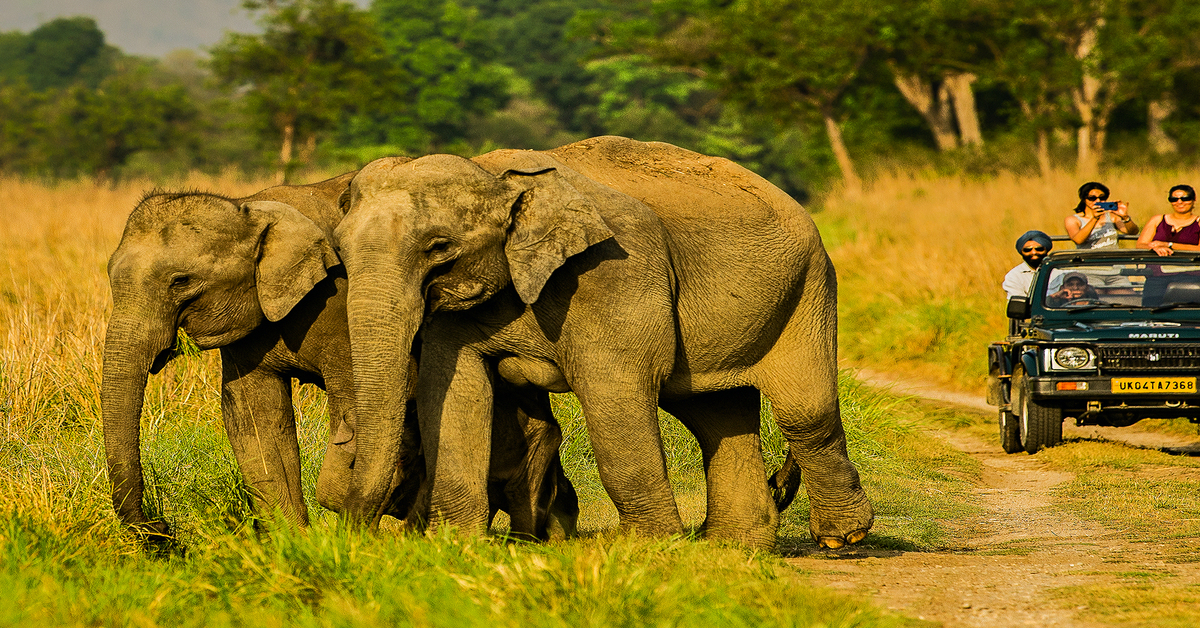
- The Asian Elephant: Massive herds of wild elephants are a common sight, especially near the river in the Dhikala zone.
- The Leopard: Masters of camouflage, often found in the hilly terrain and buffer zones.
Bird Watcher’s Paradise
With over 600 species of birds, Corbett is often called the richest bird region in India. From the Great Pied Hornbill to the Pallas's Fish Eagle, it is a haven for ornithologists.
The Tourism Zones
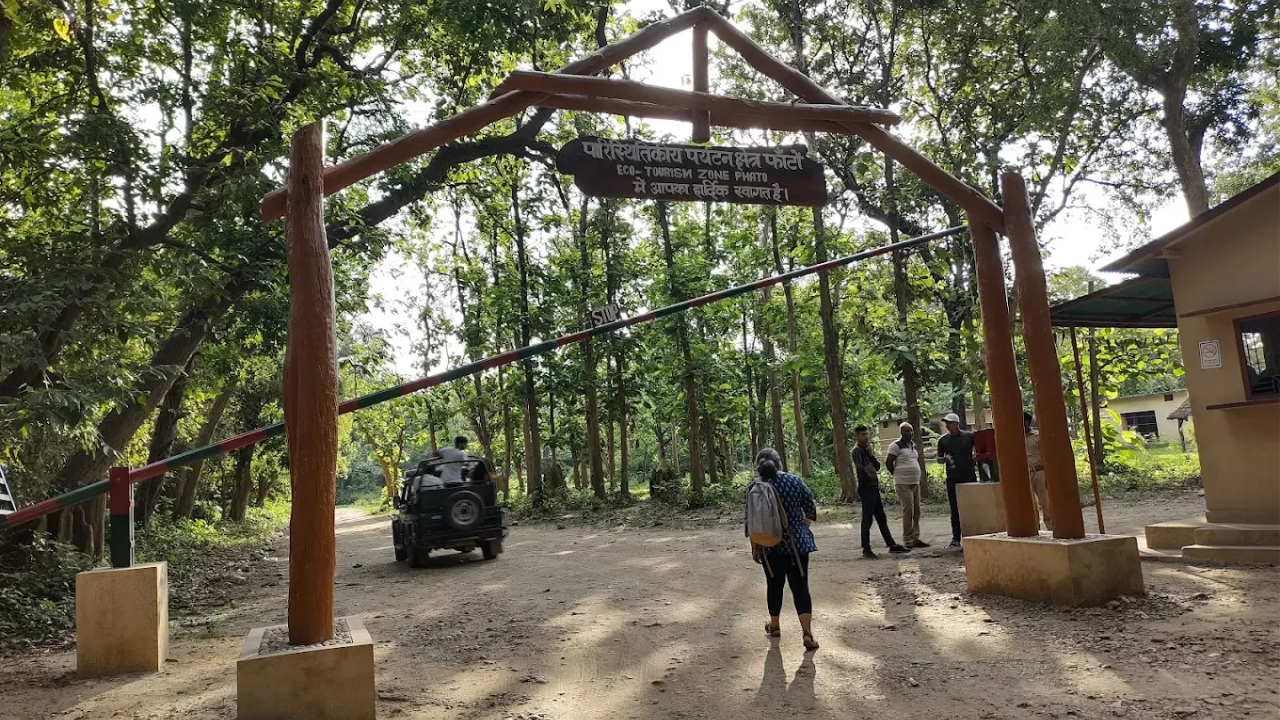
To manage tourism without disturbing wildlife, the park is divided into specific zones:
- Dhikala: The largest and most famous zone (Core area).
- Bijrani: Known for excellent day sightings.
- Jhirna: Open year-round.
- Dhela: A new eco-tourism zone (Open year-round).
- Durga Devi: Famous for Mahseer fish and hilly terrain.
- Sitabani: The buffer zone, famous for its association with the Ramayana.
Best Time to Visit
Corbett offers a different charm in every season:
- Winter (Nov to Feb): Crisp mornings (5°C) and sunny days. Best for birding and sun-basking tigers.
- Summer (March to June): Temperatures rise (up to 40°C), but this is the best time for sightings as animals come out to waterholes.
- Monsoon (July to Sept): Core zones close, but Jhirna and Dhela remain open for a lush, green experience.
How to Reach
- By Road: Ramnagar is well connected to Delhi (approx. 260 km). The drive takes 5-6 hours.
- By Train: Ramnagar Railway Station is the nearest railhead, with direct trains from Delhi and Mumbai.
- By Air: The nearest domestic airport is Pantnagar (80 km) and the nearest International airport is IGI Delhi.
Experience the Wild with Corbett Online Booking
Reading about it is one thing. Seeing a tiger look into your eyes is another.