Jeep Safari in Jim Corbett National Park – The Ultimate Guide to Cost, Zones, Timings & Everything You Need to Know
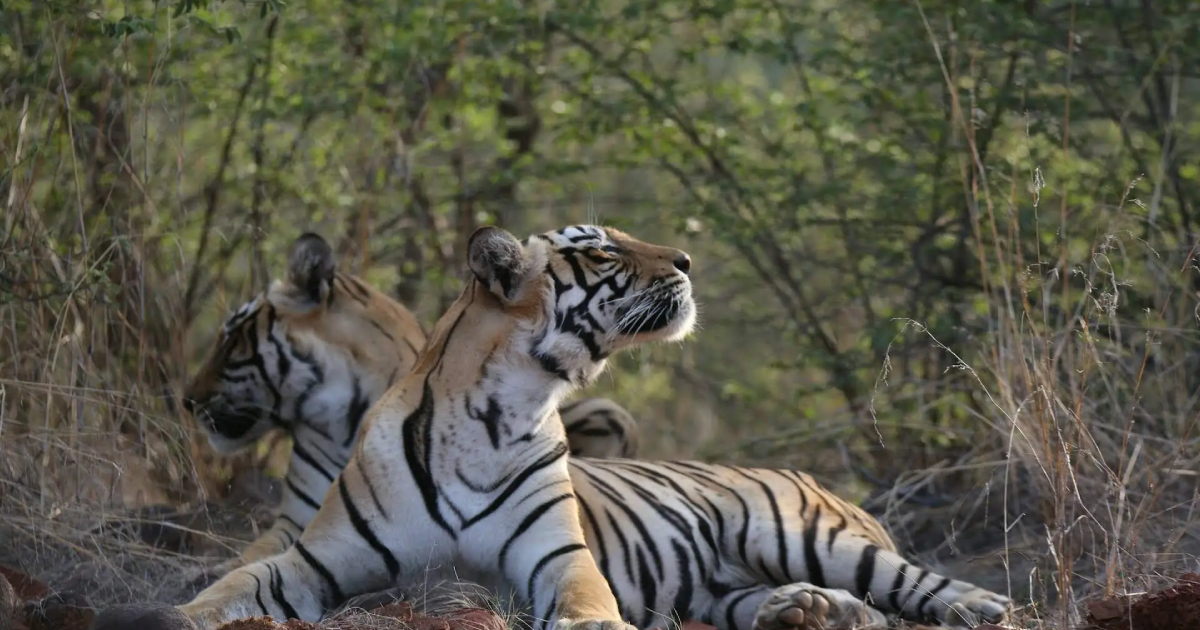
There's something deeply thrilling about sitting in an open jeep as it rumbles through dense sal forests, crossing riverbeds where pugmarks of a Royal Bengal Tiger glisten in the morning dew. That's the magic of a jeep safari in Jim Corbett National Park — India's oldest and most celebrated national park.
Whether you're a first-time visitor or a seasoned wildlife enthusiast, planning a safari in Corbett can feel overwhelming. How much does it cost? Which zone should you pick? Is a jeep safari really worth it? Should you go for an elephant safari instead? And what on earth should you wear?
Don't worry. We've put together this comprehensive, no-fluff guide to answer every question you might have. By the time you finish reading, you'll be ready to book your jeep safari and head straight into tiger country.
Let's dive in.
What Is a Jeep Safari in Jim Corbett National Park?
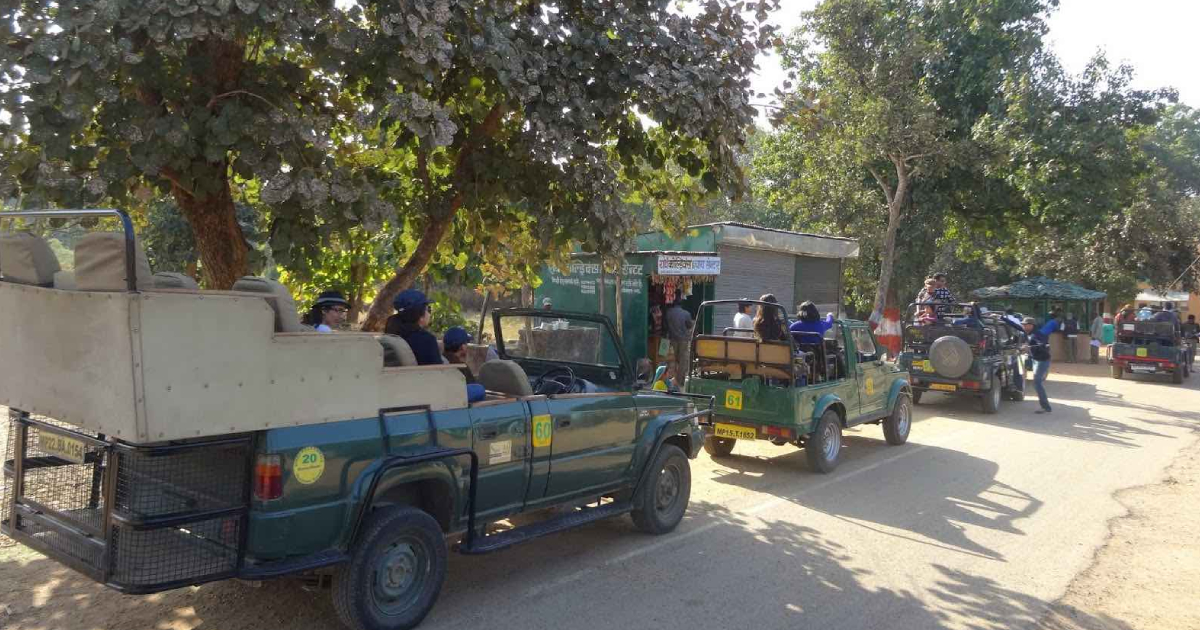
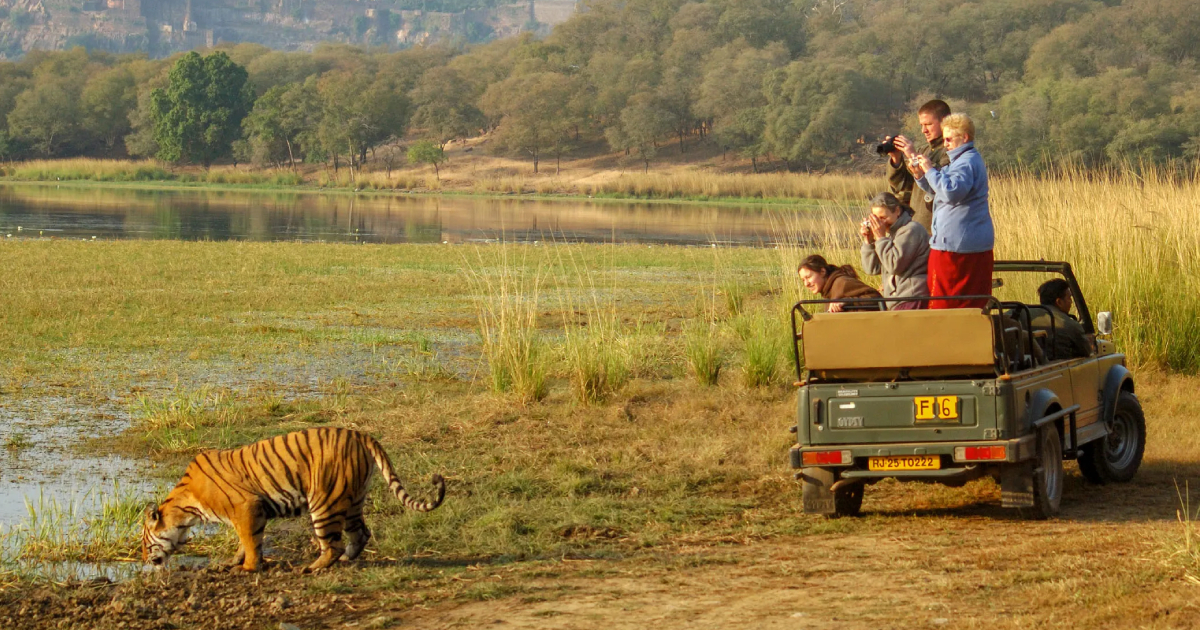
A jeep safari is, quite simply, the most popular and exciting way to explore Jim Corbett National Park. You ride in a 6-seater open-top Maruti Gypsy or similar 4x4 vehicle, accompanied by a trained naturalist and a driver, through one of the park's designated safari zones.
The jeep navigates forest trails, river crossings, and grasslands, giving you a chance to spot tigers, elephants, leopards, deer, crocodiles, and over 600 species of birds. It's intimate, it's raw, and it's the kind of experience that stays with you for life.
You can book your jeep safari in Jim Corbett National Park here through the official online booking portal.
How Much Does a Jeep Safari Cost in Jim Corbett?
This is probably the first question everyone asks, and rightly so. The cost of a jeep safari in Jim Corbett varies depending on several factors — the zone you choose, whether you're an Indian or foreign national, and the time of year.
Here's a general breakdown of the jeep safari cost in Jim Corbett for 2025:
For Indian Nationals (Approximate per jeep, not per person):
| Zone | Cost (Approximate) |
|---|---|
| Bijrani Zone | ₹5,500 – ₹7,500 |
| Jhirna Zone | ₹5,500 – ₹7,500 |
| Dhela Zone | ₹4,500 – ₹6,000 |
| Durga Devi Zone | ₹5,500 – ₹7,500 |
| Sitabani Zone | ₹3,500 – ₹5,000 |
| Dhikala Zone (Day Visit) | ₹7,000 – ₹9,000 |
| Pakhro Zone | ₹5,500 – ₹7,500 |
For Foreign Nationals:
Foreign tourists typically pay a higher entry fee. The jeep safari cost for foreigners can range from ₹10,000 to ₹15,000 or more depending on the zone.
What's Included in the Cost?
The safari cost usually includes:
- Park entry fee
- Jeep rental charges
- Driver charges
- Guide/naturalist fee
Note: Prices can change based on government notifications, so it's always smart to check the latest rates on the official booking portal before you plan your trip.
How Many People Can Sit in a Jeep Safari?
A standard jeep safari in Jim Corbett accommodates a maximum of 6 passengers per vehicle. This doesn't include the driver and the guide. If you're traveling as a couple or a small family, you might share the jeep with other tourists unless you book an exclusive vehicle.
The smaller group size is actually a huge advantage. It means less noise, better viewing angles, and a more personal experience compared to a canter safari.
Which Zone Is Best for Jeep Safari in Jim Corbett?
Jim Corbett National Park is divided into multiple safari zones, and each one offers a different kind of experience. Choosing the right zone can make or break your safari. Let's break them down:
1. Bijrani Zone – The Crowd Favorite
Best for: First-time visitors, tiger sighting probability, diverse wildlife
Bijrani is arguably the most popular zone in Jim Corbett, and for good reason. It has open grasslands mixed with dense sal forests, creating the perfect habitat for tigers, elephants, sambar deer, and a stunning variety of birds.
The terrain here is relatively flat, making it comfortable for families and elderly travelers. Tiger sighting probability is consistently high in Bijrani, which is why permits for this zone sell out fastest.
Our Verdict: If you're visiting Jim Corbett for the first time and have just one safari to do, Bijrani should be your top choice.
2. Dhikala Zone – The Crown Jewel
Best for: Serious wildlife enthusiasts, overnight stays, breathtaking landscapes
Dhikala is the largest and most iconic zone in Jim Corbett. Located deep inside the core area of the park, it's known for its vast Chaur (grassland) that stretches along the Ramganga River. The views here are simply unmatched — imagine a carpet of green stretching to the horizon with the Himalayan foothills as a backdrop.
Tiger density in Dhikala is excellent, and you also have a strong chance of spotting elephants, wild boars, and mugger crocodiles. However, Dhikala is available only for overnight visitors who stay at the forest rest house inside the zone. Day visits are possible but limited.
Our Verdict: If you can manage an overnight stay, Dhikala is the ultimate Jim Corbett experience.
3. Jhirna Zone – Year-Round Access
Best for: Off-season visitors (Jhirna remains open throughout the year)
Most zones in Jim Corbett close during the monsoon season (July to mid-November), but Jhirna stays open all year round. The landscape here is drier and more rocky compared to Bijrani, but it's rich in wildlife. Leopards, sloth bears, wild boars, and various deer species are regularly spotted.
Tiger sightings happen here too, though less frequently than in Bijrani or Dhikala.
Our Verdict: If you're visiting during the monsoon or late summer, Jhirna is your best bet.
4. Durga Devi Zone – The Birder's Paradise
Best for: Birdwatching enthusiasts, riverside beauty, less crowded safaris
Durga Devi is located in the northeastern part of the park along the Ramganga River. The hilly terrain and dense forest cover make it a haven for birdwatchers — you can spot species like the Great Hornbill, Crested Serpent Eagle, and Wallcreeper here.
Mammal sightings include leopards, elephants, and occasionally tigers. The zone is quieter and less touristy, which many visitors actually prefer.
Our Verdict: If you love birdwatching and want a peaceful, off-the-beaten-path experience, Durga Devi won't disappoint.
5. Dhela Zone – Budget-Friendly Eco-Tourism
Best for: Budget travelers, eco-tourism zone, decent wildlife
Dhela is the newest zone and operates as an eco-tourism zone rather than a core zone. It's more affordable and easier to book. While it doesn't offer the same tiger sighting probability as Bijrani or Dhikala, it's a good option for those on a budget or those who couldn't get permits for other zones.
6. Sitabani Zone – No Permit Required
Best for: Casual visitors, nature walks, flexible schedule
Technically, Sitabani isn't inside the national park — it's a forest reserve buffer zone. The good news? You don't need a forest department permit to visit. The bad news? Tiger sighting chances are low. However, the lush greenery, ancient temples, and relaxed pace make it a lovely half-day outing.
7. Pakhro Zone – The Newest Addition
Best for: Adventure seekers, remote wilderness
Pakhro is one of the newer zones opened for tourism. It's remote, wild, and relatively unexplored. If you're the kind of traveler who prefers untouched wilderness over well-trodden paths, Pakhro might be your calling.
Quick Zone Comparison Table:
| Zone | Tiger Sighting | Birds | Accessibility | Best For |
|---|---|---|---|---|
| Bijrani | ⭐⭐⭐⭐⭐ | ⭐⭐⭐ | Easy | First-timers |
| Dhikala | ⭐⭐⭐⭐⭐ | ⭐⭐⭐⭐ | Moderate | Overnight stays |
| Jhirna | ⭐⭐⭐ | ⭐⭐⭐ | Easy | Year-round visits |
| Durga Devi | ⭐⭐⭐ | ⭐⭐⭐⭐⭐ | Moderate | Birdwatchers |
| Dhela | ⭐⭐ | ⭐⭐⭐ | Easy | Budget visitors |
| Sitabani | ⭐ | ⭐⭐⭐ | Very Easy | Casual visitors |
| Pakhro | ⭐⭐⭐ | ⭐⭐⭐ | Difficult | Adventure seekers |
What Time Is the Jeep Safari at Jim Corbett?
Safari timings in Jim Corbett change according to the season. The park conducts two safari shifts per day — morning and afternoon.
Safari Timings (Approximate):
| Season | Morning Safari | Afternoon Safari |
|---|---|---|
| November – January | 6:30 AM – 10:00 AM | 1:00 PM – 5:30 PM |
| February – March | 6:00 AM – 9:30 AM | 2:00 PM – 5:30 PM |
| April – June | 5:30 AM – 9:30 AM | 3:00 PM – 6:30 PM |
Which Shift Should You Choose?
Honestly? The morning safari. There's no contest.
Wildlife is most active during the early morning hours. Tigers, in particular, are crepuscular animals — they're most active during dawn and dusk. The morning light is also perfect for photography, and the forest has a certain magical quality when it's bathed in golden sunrise hues.
The afternoon safari is good too, especially during winter when the animals come out to bask in the warm afternoon sun. But if you have to pick one, go for the morning.
Pro tip: Be ready at the gate at least 15 minutes before the scheduled entry time. The forest department is strict about timings, and latecomers may be denied entry.
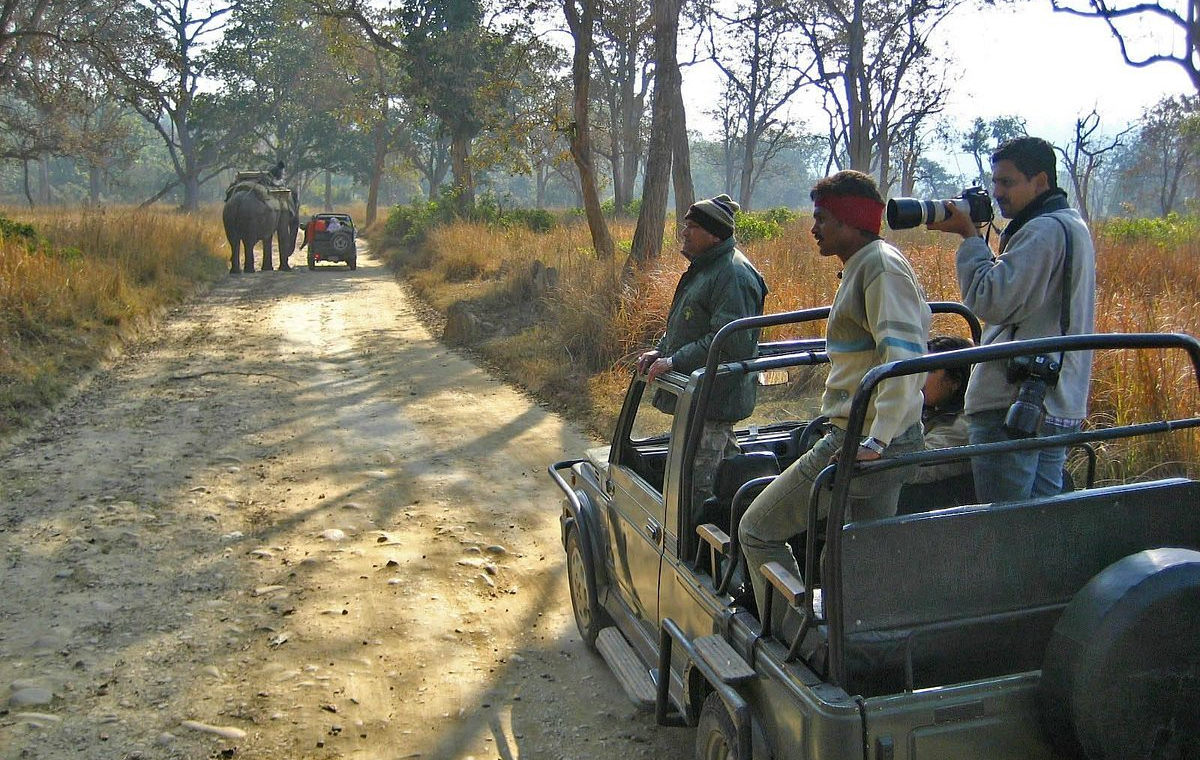
Which Is Better: Jeep Safari or Elephant Safari?
This is one of the most common debates among Jim Corbett visitors. Let's settle it.
Jeep Safari
Pros:
- Covers more ground (you can explore larger areas of the park)
- Faster, so you can reach different spots quickly
- More comfortable for elderly and children
- Better for photography (more stable platform)
- Available in all zones
Cons:
- Animals sometimes move away from engine noise
- You're restricted to designated trails
- Can feel rushed in some cases
Elephant Safari
Pros:
- Get incredibly close to wildlife (elephants don't scare other animals)
- Can go off-trail into dense grasslands
- Unique, once-in-a-lifetime experience
- Better for close-up tiger encounters
Cons:
- Very limited availability (often cancelled or unavailable)
- Covers less ground
- Can be uncomfortable for some riders
- Not available in all zones
- Elephant welfare concerns have reduced availability
The Verdict
For most visitors, a jeep safari is the better choice. It's more reliable, covers more territory, and is available in all zones. Elephant safaris, while magical when available, are becoming increasingly rare due to animal welfare considerations and limited elephant availability.
That said, if you get the chance to do an elephant safari, especially in Dhikala or Bijrani, don't pass it up. The experience of sitting atop an elephant while a tiger walks past just meters away is truly unforgettable.
Is Jeep Safari Worth It?
Absolutely. 100%. Without a doubt.
Let us tell you why.
There are very few experiences in life that connect you with nature as deeply as a jeep safari in Jim Corbett. You're not watching a documentary. You're not looking at animals through glass at a zoo. You're sitting in an open vehicle, breathing the same forest air, hearing the alarm calls of langurs and deer that signal a predator's presence, and feeling your heart race as your guide whispers, "Tiger... left side."
Even on days when the tiger doesn't show up (and yes, that happens — these are wild animals, not performers), the experience is still magical. The forest itself is the star. The towering sal trees, the serene Ramganga River, the chorus of birdsong at dawn, the fresh pugmarks on the trail that tell you a tiger was here just minutes ago — all of this makes the jeep safari worth every rupee.
What Makes Jim Corbett's Jeep Safari Special?
- High tiger density: Jim Corbett has one of the highest tiger populations in India, with over 250 tigers as per the latest census.
- Diverse landscapes: From dense forests to open grasslands to river valleys, the terrain changes dramatically within a single safari.
- Rich biodiversity: Beyond tigers, you can spot elephants, leopards, sloth bears, gharials, king cobras, and hundreds of bird species.
- Historical significance: This is where Project Tiger was launched in 1973. The legacy of Jim Corbett, the legendary hunter-turned-conservationist, permeates every trail.
So yes, a jeep safari in Jim Corbett is absolutely worth it. Book it. Do it. You won't regret it.
Are 2 Days Enough for Jim Corbett?
Two days is the sweet spot for most visitors. Here's why:
With two days, you can do 3 to 4 safaris (two per day — morning and afternoon). This dramatically increases your chances of spotting a tiger. Even experienced wildlife photographers plan for multiple safaris because sightings are never guaranteed.
Suggested 2-Day Itinerary:
Day 1:
- Morning Safari: Bijrani Zone (best chance for tiger sighting)
- Afternoon: Rest or explore the Corbett Museum in Kaladhungi
- Evening Safari: Jhirna Zone (different landscape, different species)
Day 2:
- Morning Safari: Dhikala Zone (if you've booked an overnight stay) or repeat Bijrani
- Afternoon: Visit Garjia Temple or explore Ramnagar town
- Departure
Can You Do Jim Corbett in 1 Day?
You can, but you'll likely manage only one or two safaris, and you'll feel rushed. Wildlife needs patience. A single safari without a tiger sighting might leave you feeling disappointed, whereas with multiple safaris, the odds are stacked in your favor.
Is 3 Days Better?
If you can spare three days, absolutely go for it. You can cover more zones, try both jeep and canter safaris, and have a more relaxed, immersive experience.
Which Is Better: Jeep Safari or Canter Safari?
Another classic dilemma. Let's compare.
Jeep Safari
- Capacity: 6 passengers
- Vehicle: Open-top 4x4 Gypsy
- Zones: Available in all zones (Bijrani, Jhirna, Dhela, Durga Devi, Pakhro, Sitabani)
- Experience: Intimate, personal, flexible
- Cost: Higher per person (since cost is split among fewer people)
- Availability: Limited permits per day
Canter Safari
- Capacity: 16 to 20 passengers
- Vehicle: Open-top mini bus (Canter)
- Zones: Available only in Dhikala Zone (for day visitors)
- Experience: Group experience, louder, less flexible
- Cost: Lower per person
- Availability: Easier to book
So Which One Should You Choose?
If budget isn't a constraint, always go for the jeep safari. The smaller group means less noise, which means animals are less likely to be disturbed. The jeep can navigate narrower trails and stop quickly when something is spotted. And the overall experience feels more personal and adventurous.
The canter safari makes sense if you're on a tight budget or if all jeep permits are sold out. The Dhikala canter safari still takes you through spectacular landscapes and offers decent wildlife sighting opportunities. But the noise from 16 excited tourists can sometimes scare animals away.
Pro tip: If you're booking a canter, try to get a seat in the front rows. The view is better, and you'll be further from the engine noise.
Which Is Better: Dhikala or Bijrani?
This question sparks passionate debate among Corbett regulars. Both zones are incredible, but they offer distinctly different experiences.
Bijrani: The Reliable Performer
- Easier to access (closer to Ramnagar)
- No overnight stay required
- High tiger sighting probability
- Mix of grasslands and sal forests
- Great for first-time visitors
- Permits available for day visitors
Dhikala: The Unforgettable Experience
- Deep inside the core area (30+ km from Ramnagar)
- Overnight stay required (at the Dhikala Forest Rest House)
- Vast Chaur grassland with Ramganga River views
- Highest tiger density in the park
- Elephants frequently spotted
- The sunset over the Chaur is legendary
- Limited permits, needs advance booking
Our Recommendation:
First time in Corbett? Start with Bijrani. It's accessible, reliable, and offers excellent wildlife sighting chances.
Been to Corbett before and want something unforgettable? Book Dhikala. The overnight experience — waking up inside the core area, doing a safari at dawn when the forest is still misty, hearing the roar of a tiger at night — is something you'll talk about for years.
Ideal plan: Do Bijrani during the day and book a Dhikala overnight stay. Best of both worlds.
Which Gate Is Best for Safari in Jim Corbett?
Jim Corbett National Park has multiple entry gates, each leading to a different zone:
| Gate | Zone | Distance from Ramnagar |
|---|---|---|
| Amdanda Gate | Bijrani Zone | ~2 km |
| Dhangarhi Gate | Dhikala Zone | ~18 km |
| Jhirna Gate | Jhirna Zone | ~16 km |
| Durga Devi Gate | Durga Devi Zone | ~36 km |
| Dhela Gate | Dhela Zone | ~13 km |
| Phato Gate | Sitabani Zone | ~25 km |
Best Gate for Tiger Sighting:
Amdanda Gate (Bijrani Zone) — Closest to Ramnagar, highest accessibility, and consistently great tiger sighting reports.
Best Gate for Immersive Experience:
Dhangarhi Gate (Dhikala Zone) — The drive through the park to reach Dhikala is itself a safari experience.
Best Gate for Year-Round Access:
Jhirna Gate — Open even during monsoon when other zones are closed.
How to Book a Jeep Safari in Jim Corbett?
Booking a jeep safari has become significantly easier thanks to online booking systems. Here's a step-by-step guide:
Step 1: Visit the Booking Portal
Go to corbettonlinebooking.com — the trusted platform for Jim Corbett safari bookings.
Step 2: Choose Your Zone and Date
Select the zone you want to visit and your preferred date. Remember, popular zones like Bijrani and Dhikala fill up fast, especially during peak season (November to June). Book at least 30 to 45 days in advance.
Step 3: Select Safari Shift
Choose between morning and afternoon safari.
Step 4: Enter Visitor Details
You'll need valid ID proof details (Aadhaar card, passport for foreigners) for all passengers.
Step 5: Make Payment
Pay online through net banking, credit card, or debit card.
Step 6: Download Permit
Once payment is confirmed, download and print your safari permit. You'll need to show it at the entry gate along with original ID proofs.
Important Booking Tips:
- Book early: Permits are limited. Peak season safaris can sell out within minutes of becoming available.
- Weekdays are easier: Weekend permits are harder to get. If possible, plan a weekday visit.
- Carry original ID: The name on the permit must match the ID exactly. No exceptions.
- Check cancellation policy: Plans change. Know the refund rules before booking.
- Contact the booking team if stuck: Sometimes permits show as unavailable online but can be arranged through authorized booking agents.
What Clothes to Wear in Jim Corbett?
What you wear on a safari matters more than you might think. The wrong outfit can ruin your experience — or worse, scare away wildlife.
Do Wear:
- Earthy, neutral colors: Olive green, khaki, brown, beige, and dull grey. These colors blend with the forest and don't attract attention from animals.
- Layered clothing: Mornings can be bitterly cold (especially in December-January), while afternoons can be warm. Dress in layers so you can adjust.
- Full-sleeve shirts: Protection from sun, insects, and the cold morning air.
- Comfortable trousers: Avoid jeans — they're uncomfortable on a bumpy jeep ride. Cargo pants or cotton trousers work best.
- Sturdy closed shoes: Sneakers or hiking shoes. The terrain is rough, and you might need to walk short distances.
- Hat or cap: Sun protection during afternoon safaris.
- Scarf or buff: Useful for dust protection and warmth.
Don't Wear:
- Bright colors: Red, white, yellow, neon — these colors stand out in the forest and can disturb wildlife.
- Perfume or cologne: Strong scents can alert animals to your presence.
- Sandals or flip-flops: Impractical and unsafe.
- Noisy accessories: Jingling bracelets or bangles can create noise that scares animals.
The 3-3-3 Rule for Clothes (Bonus Tip!)
The 3-3-3 packing rule is a traveler's mantra: pack 3 tops, 3 bottoms, and 3 pairs of undergarments for any short trip. For a 2-3 day Jim Corbett trip, this means:
- 3 neutral-colored t-shirts or shirts
- 3 comfortable bottoms (cargo pants or cotton trousers)
- 3 sets of innerwear
- 1 warm jacket or fleece
- 1 pair of sturdy shoes
This keeps your luggage light while ensuring you're prepared for varying weather conditions.
What Not to Pack for Safari:
- Heavy luggage (you won't need formal clothes)
- Multiple pairs of shoes (one good pair is enough)
- Expensive jewelry
- Strong-smelling toiletries
- Hairdryers or styling tools (most jungle lodges have limited power)
Are Mobile Phones Allowed in Jim Corbett?
Yes, mobile phones are allowed inside Jim Corbett National Park. You can carry your phone for photography, GPS, and communication.
However, there are some important guidelines:
- Keep your phone on silent mode. Ringtones and notification sounds can disturb wildlife.
- Don't play music. This should be obvious, but you'd be surprised how many people try.
- Don't use flash photography. The flash can startle animals, especially at close range.
- Drones are strictly prohibited. Don't even think about it. You could face heavy fines and legal action.
- Network connectivity is patchy. Don't rely on your phone for navigation inside the park. Your guide knows the way.
- Bring a camera too. Phone cameras are improving, but a DSLR or mirrorless camera with a telephoto lens (200-400mm) will give you dramatically better wildlife photos.
What Is the Best Safari for First Timers?
If you've never done a wildlife safari before, Jim Corbett is one of the best places in India — and the world — to start. Here's what we recommend:
Best Zone for First Timers: Bijrani
High tiger sighting probability, accessible terrain, close to Ramnagar town.
Best Safari Type for First Timers: Morning Jeep Safari
The morning light is magical, animals are most active, and the experience feels more intimate in a small jeep compared to a crowded canter.
First-Timer Tips:
- Listen to your guide. They know the forest intimately and can read animal behavior.
- Stay patient. Wildlife sightings require patience. The best sightings often happen when you stop and wait quietly.
- Bring binoculars. Many animals are spotted from a distance. A good pair of 8x42 binoculars makes a huge difference.
- Carry water and snacks. Safaris last 3-4 hours, and there are no shops inside the park.
- Don't stand up in the jeep. It's dangerous and against park rules.
- Enjoy the journey, not just the destination. Even if you don't see a tiger, the forest itself is the show.
Jim Corbett vs. Other National Parks: Honest Comparisons
Which One Is Better: Ranthambore or Jim Corbett?
This is like comparing two legends. Both are incredible, but they offer different experiences.
| Parameter | Jim Corbett | Ranthambore |
|---|---|---|
| Location | Uttarakhand | Rajasthan |
| Landscape | Dense sal forests, rivers, grasslands | Dry deciduous forest with ancient ruins |
| Tiger Population | 250+ tigers | 80+ tigers |
| Tiger Sighting | Good (forest is denser, so spotting is harder) | Excellent (open terrain makes spotting easier) |
| Other Wildlife | Elephants, gharials, diverse birds | Sloth bears, crocodiles, leopards |
| Best Time | November – June | October – June |
| Unique Feature | India's oldest national park, Project Tiger birthplace | Ranthambore Fort inside the park |
| Crowd Level | Moderate | Can be very crowded |
Our Take: If you want the highest probability of seeing a tiger, go to Ranthambore — the drier, more open landscape makes tigers easier to spot. If you want a more immersive, varied wildlife experience in a breathtaking landscape, choose Jim Corbett. Ideally, visit both.
Which Is Better: Bandipur or Nagarhole?
Both are in Karnataka and part of the Nilgiri Biosphere Reserve. Let's compare:
| Parameter | Bandipur | Nagarhole |
|---|---|---|
| Landscape | Dry deciduous forest | Moist deciduous with teak and rosewood |
| Tiger Sighting | Good | Very Good |
| Elephant Sighting | Excellent | Excellent |
| Leopard Sighting | Moderate | Good |
| Best Feature | Open grasslands, large herds | Kabini backwaters, diverse habitats |
| Crowd Level | Moderate | Less crowded |
| Safari Type | Jeep and bus safari | Jeep safari and boat safari (Kabini) |
Our Take: Nagarhole (especially the Kabini range) edges ahead for most wildlife enthusiasts. The Kabini backwaters attract massive herds of elephants, and tiger sightings along the water's edge are increasingly common. Bandipur is also excellent and offers a more classic dry-forest safari experience.
Which Safari Is Better: Kabini or Bandipur?
Kabini wins for most visitors. The boat safari on the Kabini River is a unique experience you won't find in most Indian national parks. Watching elephants bathe at sunset from a boat is simply extraordinary. Tiger sighting rates at Kabini have also improved significantly in recent years.
However, Bandipur offers a quieter, less commercial experience. If you prefer fewer crowds and a more rugged feel, Bandipur might be your pick.
How Much Does Nagarhole Safari Cost?
For those considering a south Indian safari as a comparison or alternative to Jim Corbett:
Nagarhole National Park Safari Cost (Approximate):
| Safari Type | Cost (Indian Nationals) | Cost (Foreign Nationals) |
|---|---|---|
| Jeep Safari | ₹3,000 – ₹5,000 per person | ₹5,000 – ₹8,000 per person |
| Boat Safari (Kabini) | ₹2,000 – ₹3,500 per person | ₹3,500 – ₹5,000 per person |
| Bus Safari | ₹300 – ₹600 per person | ₹1,000 – ₹1,500 per person |
Note: Prices vary by season and are subject to change. Always check the Karnataka Forest Department website for the latest rates.
How Much Does Gir Safari Cost Per Person?
Gir National Park in Gujarat — the last refuge of the Asiatic lion — is another popular wildlife destination. Here's a quick cost overview:
Gir National Park Safari Cost (Approximate):
| Safari Type | Cost (Indian Nationals) | Cost (Foreign Nationals) |
|---|---|---|
| Jeep Safari (6-seater) | ₹4,500 – ₹7,500 per jeep | ₹8,000 – ₹12,000 per jeep |
| Per Person (shared) | ₹800 – ₹1,500 | ₹2,000 – ₹3,000 |
What Is the Price of Sasan Gir Package?
A typical Sasan Gir safari package for 2 nights and 3 days costs between ₹8,000 to ₹20,000 per person, depending on accommodation quality. This usually includes:
- 2 nights' stay at a resort or hotel
- 2 jeep safaris (morning)
- Meals (breakfast and dinner)
- Transport from Junagadh or Rajkot
Budget options near Sasan Gir village start at around ₹2,000 per night, while premium jungle lodges can cost ₹10,000 to ₹25,000 per night.
Which Is the 2nd Largest Tiger Reserve in India?
For wildlife trivia enthusiasts, here's the answer:
Nagarjunsagar-Srisailam Tiger Reserve in Andhra Pradesh is the largest tiger reserve in India, covering approximately 3,728 sq km.
The second largest is debated depending on the metric used, but Namdapha Tiger Reserve in Arunachal Pradesh (~1,985 sq km) and Panna Tiger Reserve in Madhya Pradesh often feature near the top of the list.
Jim Corbett National Park, for reference, covers about 1,318 sq km (including the buffer zone) and is the oldest national park in India, established in 1936 as Hailey National Park.
Why Is a Safari So Expensive?
This is a fair question. When you're paying ₹5,000 to ₹10,000 for a 3-4 hour jeep ride, it's natural to wonder where the money goes. Here's the breakdown:
1. Conservation Costs
A significant portion of your safari fee goes directly toward park maintenance, anti-poaching operations, and wildlife conservation. Protecting 250+ tigers and thousands of other animals requires round-the-clock patrolling, habitat management, and scientific monitoring.
2. Limited Carrying Capacity
To protect the ecosystem, the number of vehicles allowed inside the park each day is strictly limited. Fewer permits = higher demand = higher prices. This is actually a good thing — it prevents over-tourism and habitat degradation.
3. Infrastructure
Maintaining forest roads, watchtowers, rest houses, and entry gates costs money. These are remote areas with challenging terrain.
4. Employment
Your safari fee supports the livelihoods of guides, drivers, forest rangers, and local communities. Wildlife tourism is a major employer in regions like Ramnagar, and it provides an economic incentive for communities to protect forests rather than exploit them.
5. Vehicle and Fuel Costs
Operating a 4x4 vehicle on rugged forest trails is expensive. Fuel costs, vehicle maintenance, and insurance all add up.
Is It Worth the Cost?
Yes. When you consider that your safari fee contributes directly to tiger conservation, supports local communities, and gives you an experience that no amount of money can replicate elsewhere, it's actually quite reasonable. Compare it to a 3-hour adventure sport experience or a theme park visit — a safari offers far more value and lasting memories.
Which Safari Tour Is Best?
This depends entirely on what you're looking for. Here's our recommendation based on different traveler types:
For Tiger Enthusiasts:
Jim Corbett (Bijrani Zone) or Ranthambore — Both offer excellent tiger sighting probability.
For Overall Wildlife Diversity:
Jim Corbett (Dhikala Zone) — Tigers, elephants, gharials, 600+ bird species, stunning landscapes.
For Asiatic Lions:
Gir National Park, Gujarat — The only place on Earth to see Asiatic lions in the wild.
For South India Wildlife:
Kabini (Nagarhole) — Elephants, tigers, leopards, and the magical boat safari.
For Budget Travelers:
Jim Corbett (Dhela Zone) or Bandipur (Bus Safari) — More affordable options without compromising too much on experience.
For Luxury Safari:
Ranthambore or Pench/Kanha in Madhya Pradesh — Premium jungle lodges like Aman-i-Khas, Sher Bagh, and Taj Safaris offer world-class luxury combined with incredible wildlife.
Practical Tips for Your Jim Corbett Safari
Before we wrap up, here are some essential tips that will make your Jim Corbett experience smoother and more enjoyable:
Before You Go:
- Book safaris well in advance — At least 30-45 days for peak season.
- Choose your accommodation wisely — Stay close to the gate of your chosen zone to minimize travel time.
- Check park opening dates — Most zones open on November 15 and close on June 15.
- Carry photocopies of ID proofs — Along with originals.
- Download offline maps — Mobile connectivity inside the park is unreliable.
During the Safari:
- Maintain silence — Whispering is fine, but loud talking scares animals.
- Don't litter — This should go without saying. Carry a bag for your trash.
- Don't feed animals — It's illegal and harmful to wildlife.
- Keep body parts inside the jeep — No dangling arms or legs. These are wild animals.
- Follow your guide's instructions — They're trained professionals. Trust them.
- Carry a rain jacket during early and late season — Weather can be unpredictable.
After the Safari:
- Tip your guide and driver — They work hard and rely on tips. ₹200-500 per person is standard.
- Share your sighting reports — It helps other tourists and conservation researchers.
- Come back — Once Jim Corbett gets in your blood, you'll keep returning. We've seen it happen countless times.
Frequently Asked Questions (FAQs)
Q: What is the best time to visit Jim Corbett National Park?
A: The best time is November to June, with March to May being peak season for tiger sightings (animals come to water sources more frequently in the heat).
Q: Can children go on a jeep safari?
A: Yes, children of all ages are allowed. However, children under 5 years might find the bumpy ride uncomfortable. There's no age restriction, but parents should ensure kids remain quiet and seated.
Q: Is Jim Corbett safe for tourists?
A: Absolutely. The park has strict safety protocols. As long as you follow the rules (stay inside the vehicle, follow guide instructions), safaris are completely safe.
Q: Can I see a tiger for sure?
A: No wildlife sighting is ever guaranteed. However, Jim Corbett has a high tiger density, and with multiple safaris across good zones, your chances of seeing a tiger are quite strong — estimated at 30-50% per safari in zones like Bijrani and Dhikala.
Q: What's the nearest airport and railway station?
A: The nearest railway station is Ramnagar (well connected to Delhi). The nearest airport is Pantnagar (about 80 km away). Delhi's IGI Airport is about 260 km from Ramnagar.
Q: Can I do a self-drive safari?
A: No. Private vehicles are not allowed inside the park. You must use the park's authorized jeeps with designated drivers and guides.
Final Thoughts: Why Jim Corbett Should Be on Your Bucket List
Jim Corbett National Park isn't just a tourist destination. It's a living, breathing testament to India's commitment to wildlife conservation. When you book a jeep safari here, you're not just paying for a ride through the forest — you're investing in the survival of the Royal Bengal Tiger and hundreds of other species that call this forest home.
The sal forests that Jim Corbett hunted in over a century ago still stand. The tigers he wrote about in his famous books — Man-Eaters of Kumaon and The Man-Eating Leopard of Rudraprayag — their descendants still roam these trails. And every time a jeep enters the park and a tourist catches a glimpse of those amber eyes staring from the undergrowth, the story continues.
Whether you're a wildlife photographer chasing the perfect shot, a family looking for an adventure beyond the ordinary, a couple seeking a romantic escape into nature, or a solo traveler wanting to reconnect with something primal and real — Jim Corbett has something for you.
Ready to book your jeep safari? Visit corbettonlinebooking.com and secure your permits before they run out. The forest is waiting. The tiger is waiting. And trust us — it's an encounter you'll remember for the rest of your life.
Happy Safari! 🐅
Disclaimer: All prices mentioned in this article are approximate and subject to change based on government notifications and seasonal variations. Please check the official booking portal for the latest rates and availability. Safari timings and zone availability may vary — always confirm before planning your trip.